by Ramone Perez
Nestled off the southern coast of South Korea, Jeju Island is a treasure trove for photographers. With its diverse landscapes, from volcanic craters and lush forests to pristine beaches and quaint villages, Jeju offers a stunning array of subjects to capture. This guide will help you navigate this island paradise, offering tips and highlights to make the most of your photographic journey.
1. The Volcanic Beauty of Hallasan
At the heart of Jeju Island stands Hallasan, a dormant volcano and the highest mountain in South Korea. Hallasan offers breathtaking views and diverse terrains, making it a prime location for capturing the island’s natural beauty. Sunrise or sunset is an ideal time to photograph Hallasan, as the soft, golden light accentuates its rugged features and the surrounding landscape. The mountain’s trails provide numerous vantage points, each offering unique perspectives of the volcanic slopes and alpine flora.\
2. The Seongsan Ilchulbong Sunrise Peak
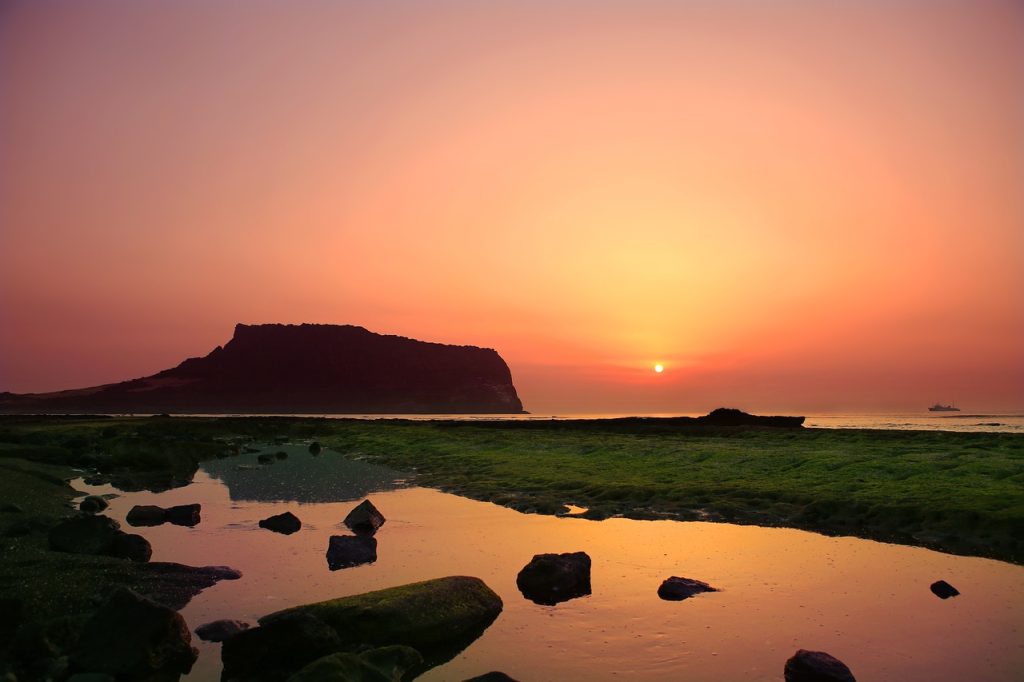
Seongsan Ilchulbong, also known as Sunrise Peak, is another must-visit location for photographers. This volcanic tuff cone, formed by an underwater eruption, offers one of the most iconic sunrise views on the island. Arriving early to catch the first light over the crater and the surrounding ocean will reward you with dramatic, ethereal photos. The contrast between the dark, jagged crater and the brightening sky creates a striking image that captures the island’s raw natural beauty.
3. Exploring the Coastal Wonders
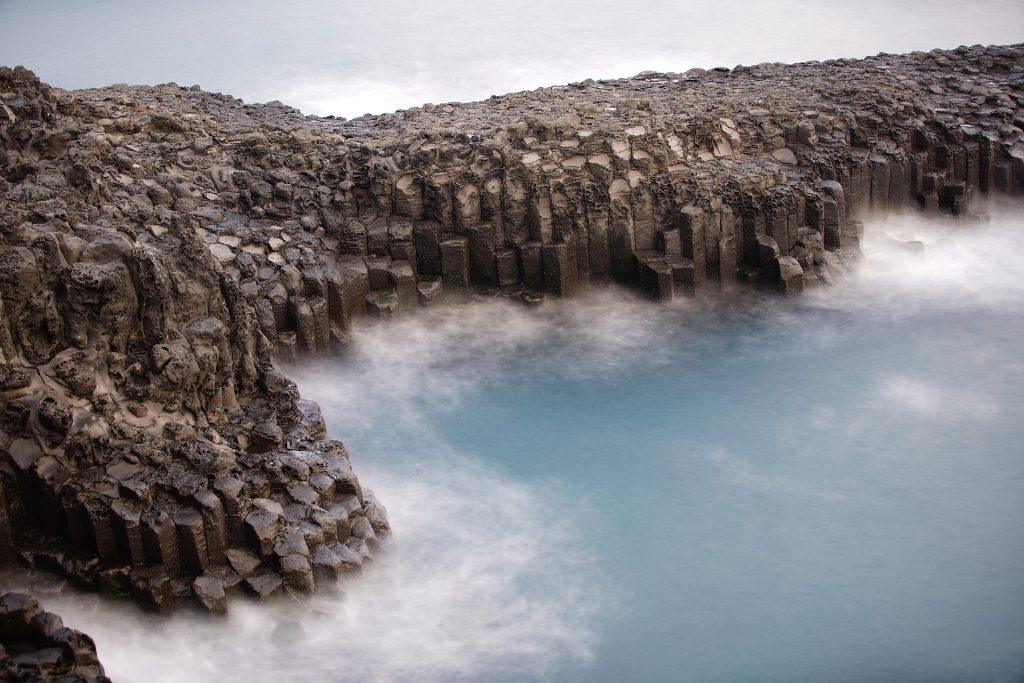
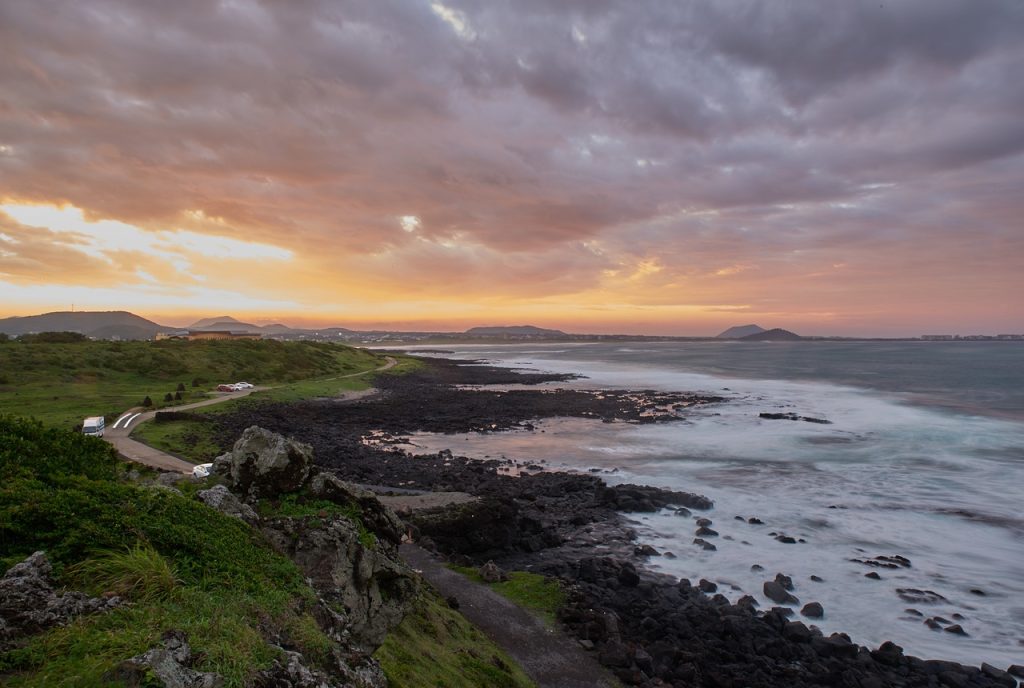
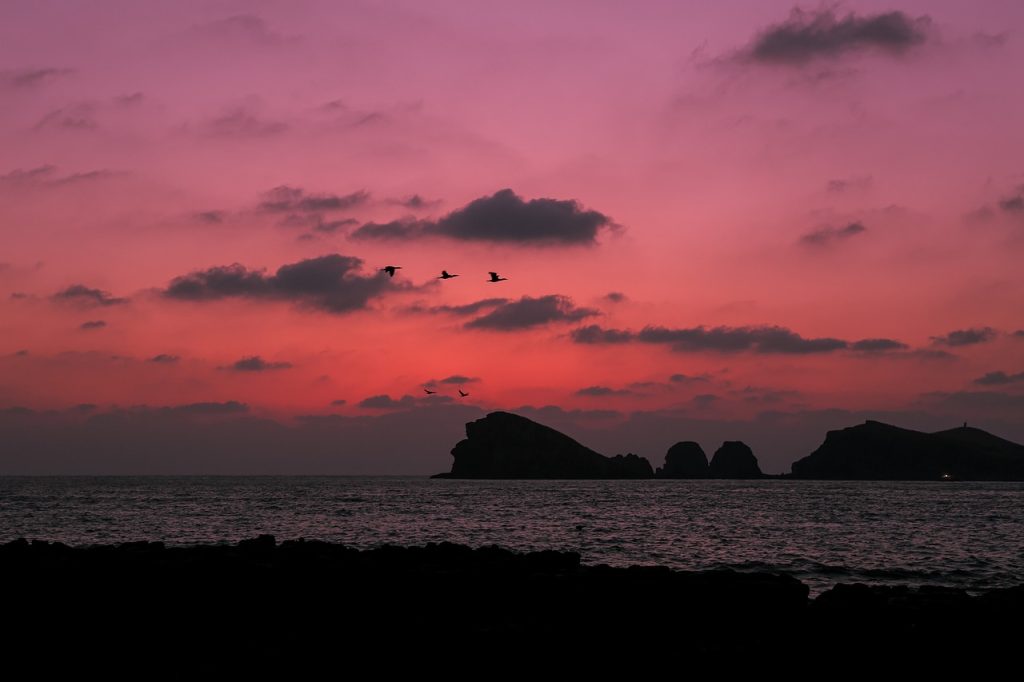
Jeju’s coastline is a mosaic of dramatic cliffs, sandy beaches, and hidden coves. The rugged coastal formations at places like Jusangjeolli Cliff, with its hexagonal basalt columns, provide excellent opportunities for dynamic seascapes. On the southern coast, you’ll find the tranquil beaches of Hyeopjae and Geumneung, where you can capture the serene beauty of Jeju’s turquoise waters against the backdrop of lush green hills.
4. Discovering Jeju’s Unique Flora
The island’s flora is as diverse as its landscapes. The Jeju Camellia Hill, with its vibrant camellia flowers and well-maintained gardens, offers a delightful setting for capturing floral photography. Similarly, the Hallim Park showcases a variety of tropical and subtropical plants, including rare and exotic species. The interplay of colors and textures in these gardens provides rich material for close-up shots and macro photography.
5. Traditional Villages and Cultural Heritage
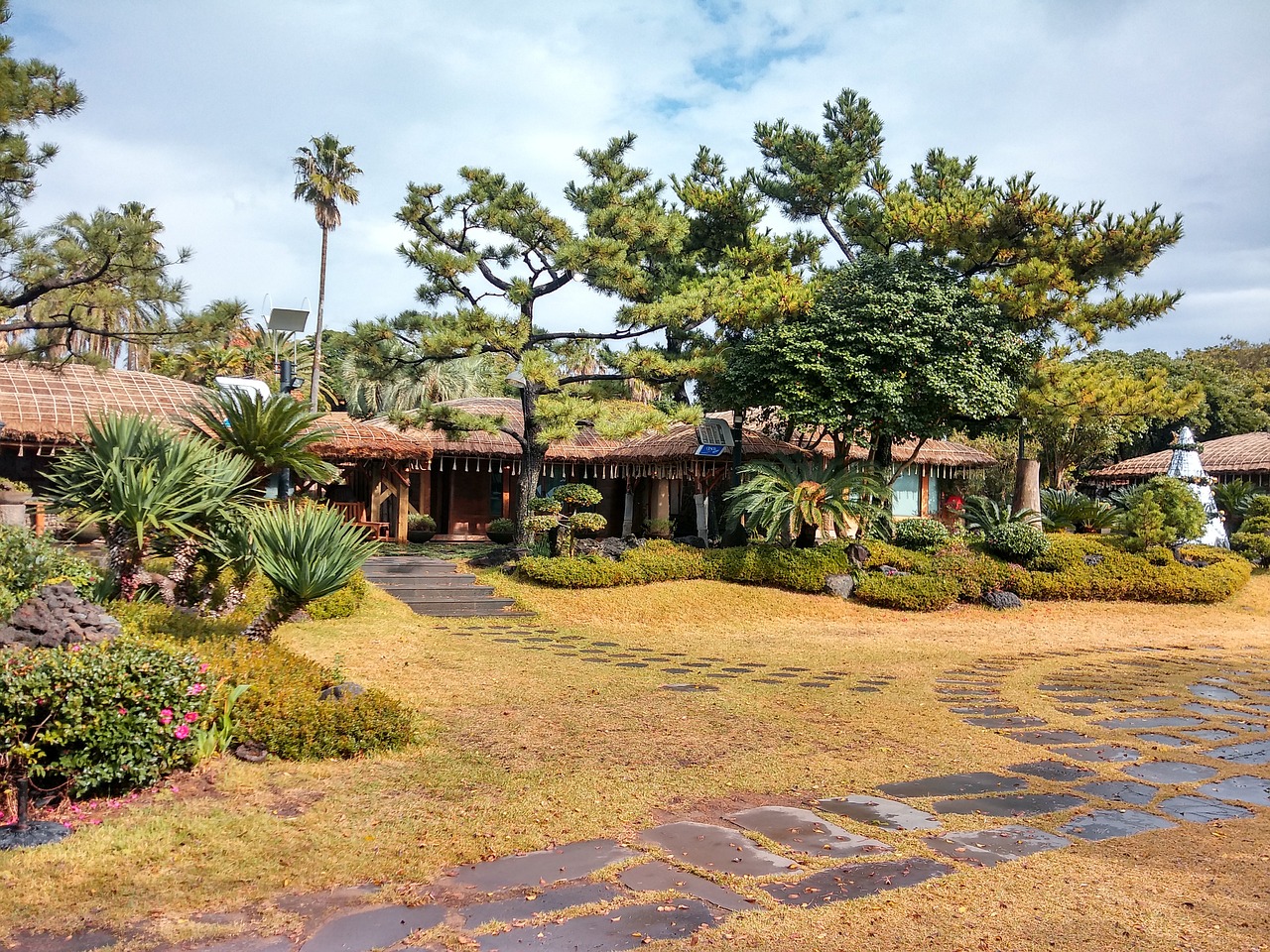
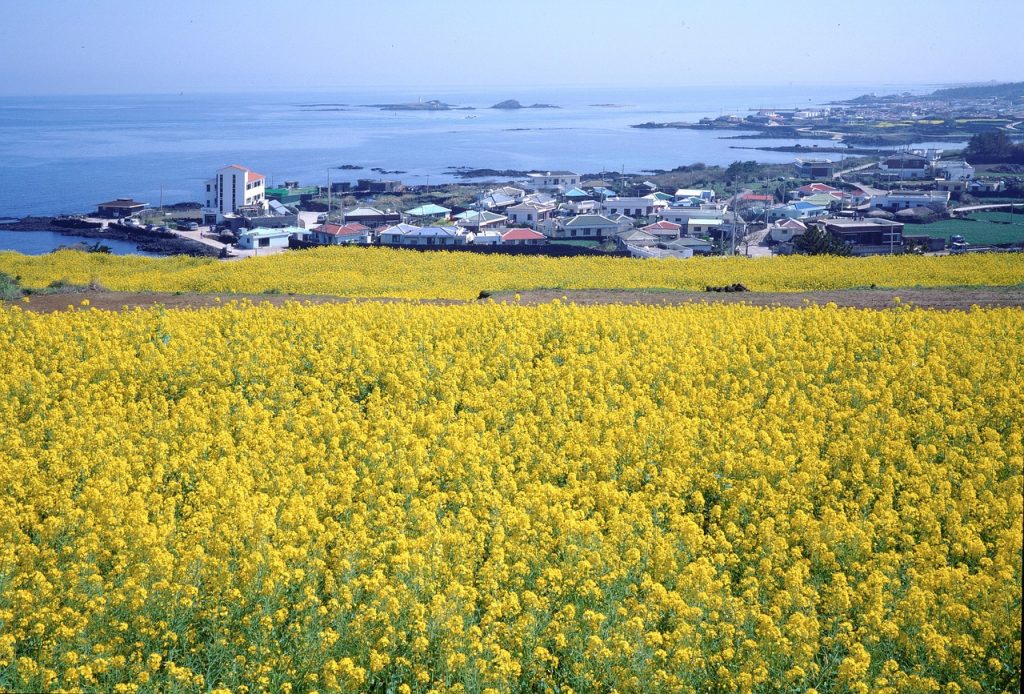
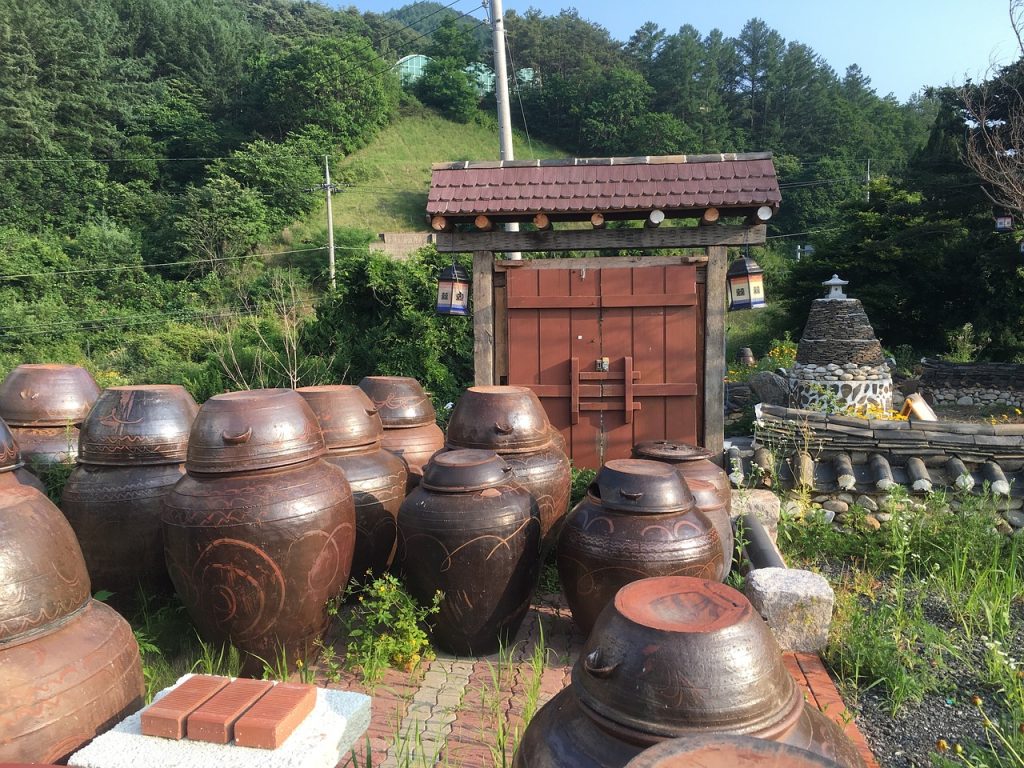
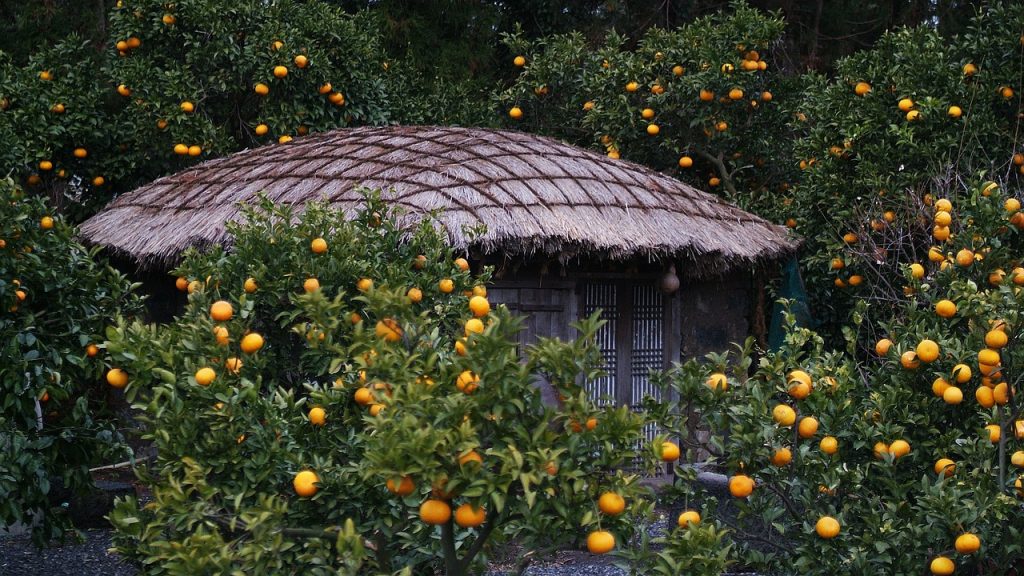
Jeju is not only about natural beauty; it also has a rich cultural heritage. The island’s traditional villages, such as Seongeup Folk Village, offer a glimpse into the island’s past with their preserved thatched-roof houses and traditional architecture. Capturing the daily life and traditional practices of the locals can add a cultural dimension to your portfolio, providing a contrast to the island’s natural landscapes.
6. Capturing Jeju’s Coastal Trails
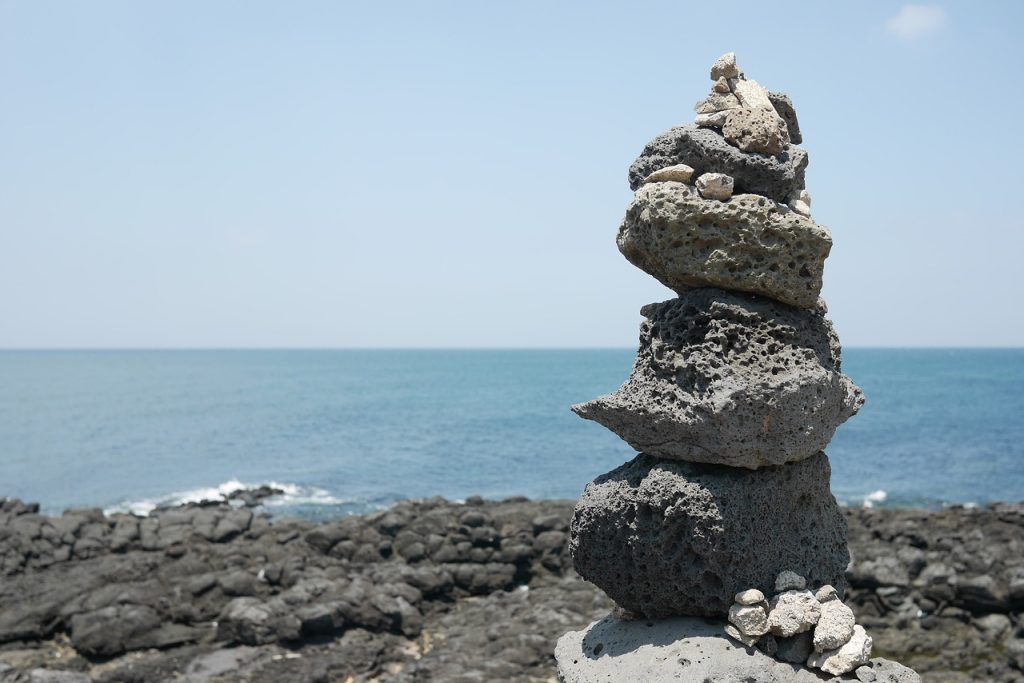
The Olle Trail, a series of walking paths that wind around Jeju’s coastline, is a fantastic way to explore the island’s varied scenery and discover hidden gems. Each segment of the trail offers different perspectives of the coast, from rocky shores to serene beaches. Walking the trails with your camera allows you to capture candid moments of local life, scenic vistas, and the island’s ever-changing moods.
7. The Magic of Jeju’s Waterfalls
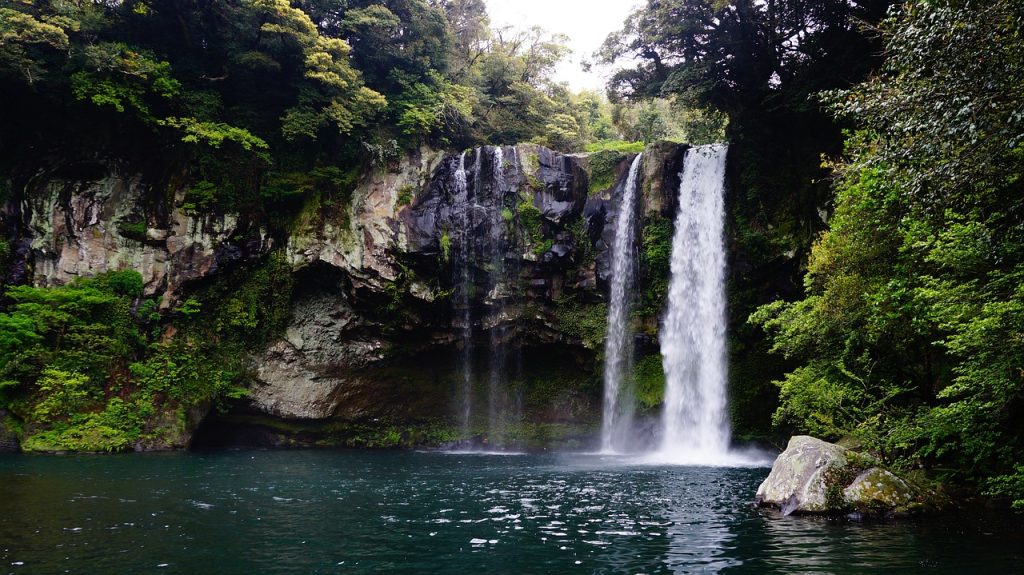
Jeju is home to several stunning waterfalls, each offering unique photo opportunities. Cheonjiyeon Falls, with its picturesque setting and lush surroundings, is particularly photogenic. For a more dramatic scene, visit Jeongbang Falls, where the waterfall cascades directly into the ocean. The contrasting elements of water, rock, and sea provide a powerful composition for your photographs.\
8. Night Photography and Stargazing
Jeju’s relatively low light pollution makes it an excellent location for night photography and stargazing. The island’s clear skies and minimal urban light allow for breathtaking shots of the Milky Way and other celestial phenomena. Consider visiting the island’s observatories or setting up your camera in a remote area to capture the night sky in all its glory.
9. Embracing the Changing Seasons
Jeju Island’s climate offers different photographic opportunities throughout the year. Spring brings blooming flowers and lush greenery, while autumn offers vibrant foliage and clearer skies. Winter, though milder than the mainland, can provide unique shots of the island’s quieter landscapes and frosty mornings. Each season provides its own palette and atmosphere, allowing you to capture Jeju’s beauty in various lights and moods.
10. Practical Tips for Photographers
To make the most of your photographic adventure on Jeju Island, be sure to plan ahead. Bring a variety of lenses to cover landscapes, close-ups, and wide-angle shots. A tripod is essential for low-light conditions and capturing long-exposure shots of waterfalls and the night sky. Finally, be respectful of local customs and nature, ensuring that your photography does not disturb wildlife or the environment.
Jeju Island is a photographer’s paradise, offering a rich tapestry of landscapes, cultural heritage, and natural beauty. Whether you’re capturing the majestic sunrise at Seongsan Ilchulbong or the serene beauty of its beaches, the island promises a wealth of opportunities to create stunning, memorable images.
© copyright 2024
Leave a Reply